Weekly Reflection Posts
This is where you share your updates and reflections for Assignment 2. This posts uses the “Reflections” category which pulls it into the Reflections menu.
Weekly Reflection #1:
Learning to Ask Better Questions
Almost everyone has gone through schooling for many years. Class after class, grade after grades it always seems like all our testing was the same. Each test or exam felt more tailored to the 1% of students who were good at memorizing. Through out Jeff Hopkins talk; he presents the idea that Most school = here is the content, memorize it. Inquiry totally shifts that concept, you actually start off with a question to a problem or issue you actually care about. The idea Hopkins persuades is that real learning is student- driven, it is curiosity that drives one to learn more. The current way we learn is nothing like that, think of the earliest memory you might have of actually learning about a topic. I’d bet you it didn’t come from a test.
Here is the SIFT method: Seems simple but most of you probably done actually do this. How many times have you skimmed over a headline and believed it? We’ve all done it, its part of maturing, however this method helps, making a good inquiry requires good info habits like SIFT, or it just causes one to go down rabbit holes.
What’s a time you believed in something and turned into something wrong?
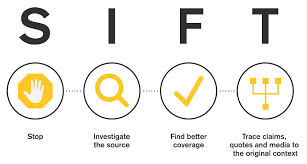
Source: Mike Caulfield, hapgood.us
Weekly Reflection #2:
Who Owns Knowledge?
If you’ve ever been on the internet, I would bet at point you have thought who actually “owns” some of this information online. Every time you have ever copied an image or grabbed some information copy right is involved.
Copyright bit (Inba Kehoe)
Copyright is often automatic, the moment somebody creates somethings it becomes instantly protected. Often this to help authors and creators of original information less open to having their work stolen or reproduced illegally. However, this is Fair Dealing which allows for information used for education or research to be used without permission, but there are limits. Like when you google search an image and use it – that’s technically illegal.
Creative Commons + OER (Cable Green)
Creative Commons licences let for creators share their work with others on there own term. OER stands for Open Educational Resources, which adds on too the creative Commons allowing for free, legal and mixable learning. Cable states that the internet could be one massive free library if more stuffed was openly licensed.
David Wiley Angle
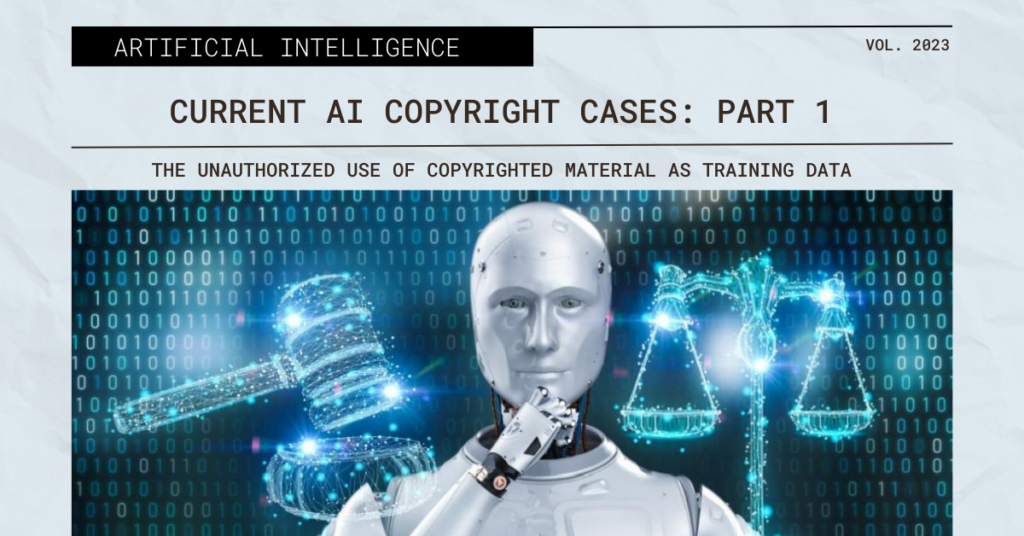
Often time “Open” doesn’t just mean free, it also means you can reuse, remix and redistribute information as you want. However, in this day and age AI is now trained on content that wasn’t openly licensed, which raises big questions on the usage of AI in the copyright science.
Do you think AI should be trained on these images?
To conclude, did you know how images you find online aren’t free to use? Will this change how you search and use content let me know!!